Do New ATVs and UTVs Need A Break-In Period?
July 24, 2026
Maintenance & Ownership
Do New ATVs and UTVs Need A Break-In Period?
So, you just bought a new machine and you're super excited about it. But they did tell you one thing at the dealership, that you're supposed to break it in. So, do you? Do you not? Do you break it in soft or hard? Obviously, these questions get asked a lot by people who are buying brand new machines and understandably don't want them to lose performance right off the bat. Skip the break-in period and you risk poor ring seal, reduced power, and a belt that won't last the season.
So, we're gonna cover all these questions today - keep reading below to see if there's a break-in period for your ATV or UTV, what you should be doing during it, and how long it should take. Let's jump in!
Key Insights
- Yes, break it in. Skipping the process risks poor ring seal, reduced power, and a belt that won't last the season.
- Go easy on the brakes first. Light braking for roughly the first 50 stops is all you need.
- The belt runs on heat cycles. Low gear, varied speeds, 5 to 10 miles at a time so the rubber never overheats.
- Change your oil. The first 25 hours seat the rings, and fresh oil clears out machining debris.
In This Guide
What To Focus On During the Break-In Period
How To Break In ATV and UTV Brakes

01What To Focus On During the Break-In Period For Your New Machine
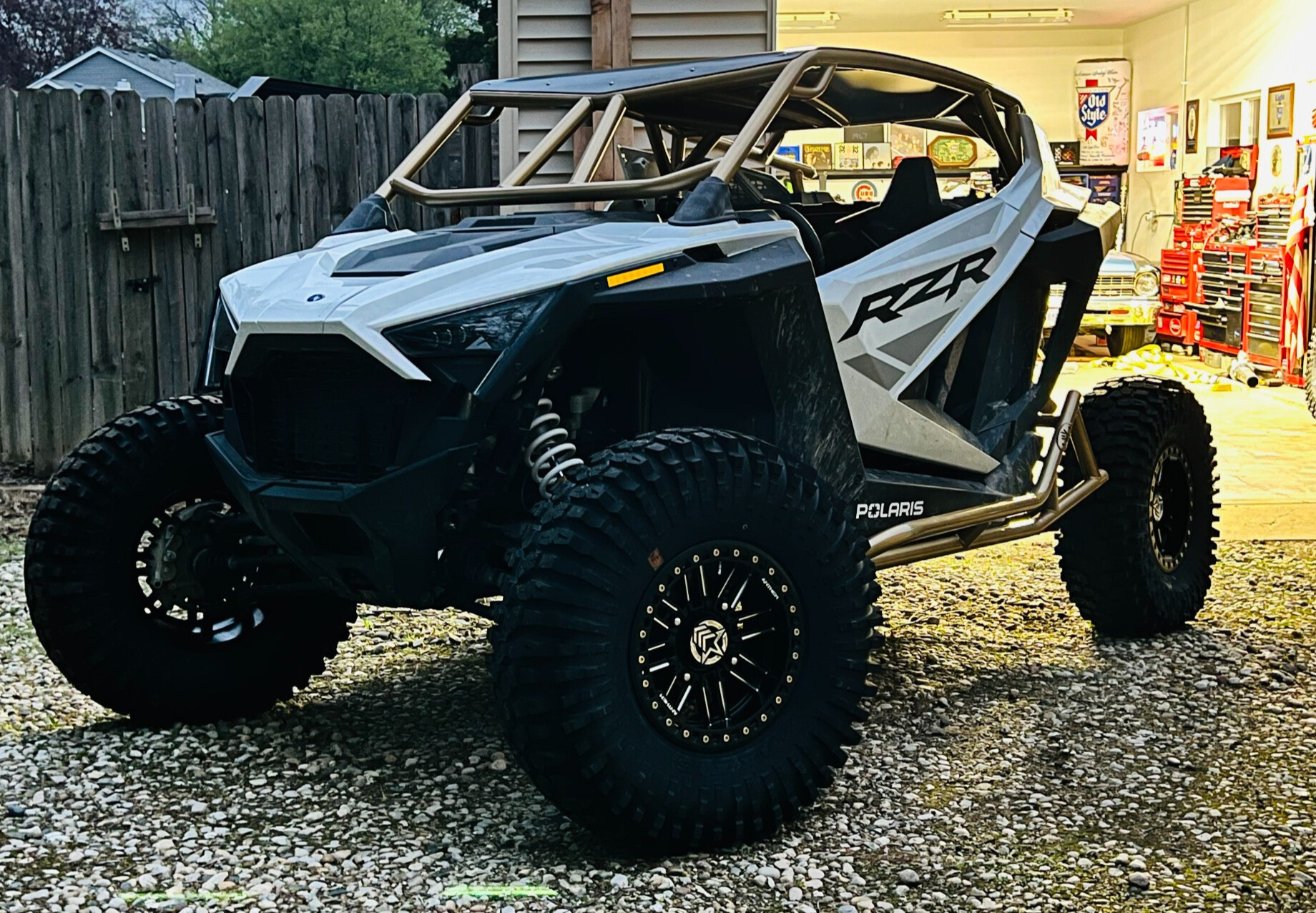
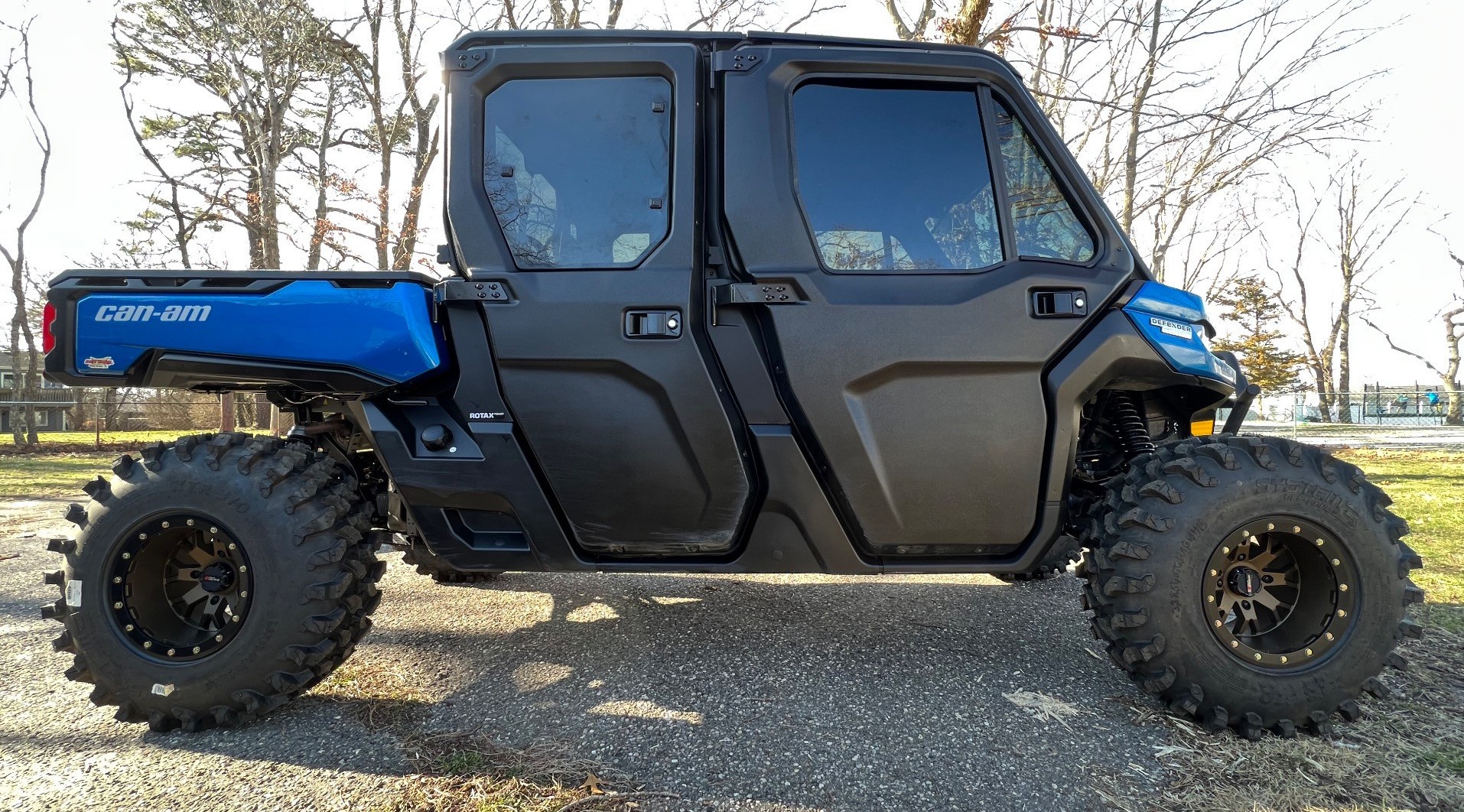
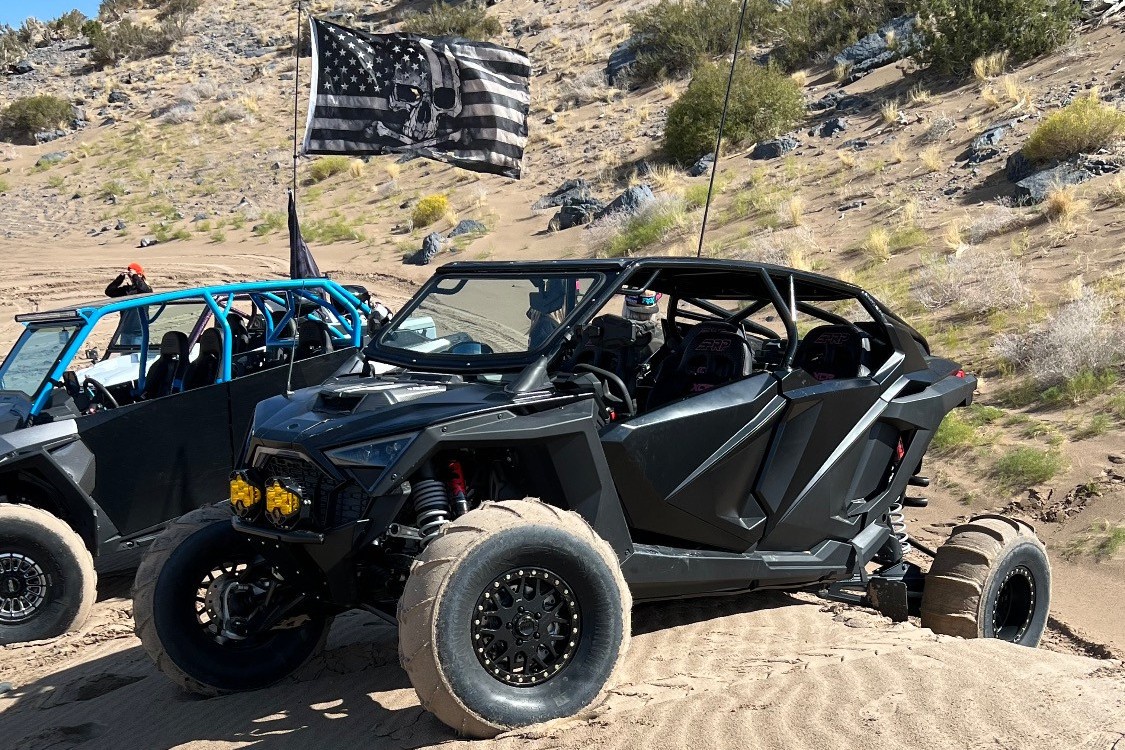
When it comes to any powersports break-in period, there is definitely a process that you need to adhere to - now, some guys will break their machines in really hard, and some will baby it the whole time, and others do a mix of both. And obviously, there are a lot of different things to get warmed up before your machine is fully ready to go, so we want to touch on the top three to keep an eye on: Brakes, Engines, and the Drive Belt. Whether you're on a Polaris RZR, a Can-Am Maverick, or a Yamaha RMAX, the fundamentals here apply across the board.
02How To Break In ATV and UTV Brakes
When it comes to brakes, most manufacturers will recommend that for about the first 50 braking points you'll do, that you just take them lightly. Don't get really high speed and slam on the brake or smash it - just some light braking to a stop is all you really need to do here, which makes this a pretty simple braking period.
03How To Break In the Drive Belt on your ATV or UTV
Now it's time to break in your belt, and this is probably the one that we'd most recommend to stick to a process, as it's definitely important. It's a singular rubber belt at the end of the day, and rubber does have its quirks, mostly about heat. When it comes to breaking in the belt, it's mostly about heat and doing the right procedure is important here.
This means that you'll need to break in your drive belt around 5 to 10 miles at a time at a low gear and varying speeds. This is what's called a heat cycle - you need the belt to heat up, then cool down completely, and repeat. It can't get too hot, and that's the big thing. If you get rubber too hot, you'll start having problems with the belts, so keep your ATV in a low gear, vary the speeds a bit, and within an hour your belt should be good to go.
Heads Up: Overheating a new belt is the fastest way to shorten its life. Keep it in a low gear and let it cool fully between cycles instead of running it hard right out of the gate.
04How to Break In Your ATV or UTV's Engine
Now for the big one - it's the engine break-in. When it comes to your engine, the biggest reason that you'll need to break that in is that there is cross-hatching on the cylinder walls, and the piston rings need to seal to those cylinder walls to create a nice seal. That's the biggest thing with that, but some people think that you should baby your engine during that time, while others think that you should drive it the way that you normally would. Others adhere to a "drive it like you stole it" principle to get the rings sealed, but whatever you do, one thing is super important: Change your oil.
For most machines, the engine break-in period covers the first 25 hours of operation, or roughly the time it takes to burn through two full tanks of gas. That's your window to keep things varied, avoid holding a steady RPM for too long, and let the engine do what it needs to do.
Pro Tip: That first oil change matters more than any other. It flushes out the metal flakes and machining debris left in a brand new motor before they can circulate.
You need to change your oil during the engine break-in period because if there are any metal flakes, specks, or anything from the machining process that are left in the motor, an oil change is gonna help get that out. So, get your fresh oil in and get ready to ride the trails.
Machine Broken In? Time To Build It.
Grab a wheel and tire package built for control, performance, and looks. Free shipping to the lower 48.
Shop Wheels & Tires